

A dental crown is a cap that fits over a damaged tooth to restore its shape, strength, and appearance. Crowns are one of the most common restorations in dentistry, used for teeth that are cracked, broken, badly decayed, or worn down. If your dentist has recommended a crown, or a tooth has started to bother you, understanding what a dental crown is and how it works makes it easier to know what your dentist is recommending for treatment and why.
Key Takeaways: What are Dental Crowns?
- A dental crown is a custom cap that covers the entire visible part of a tooth to restore its strength, shape, and appearance.
- Dental crowns are used for cracked or broken teeth, large cavities, teeth after a root canal, implants, bridges, and teeth worn down from grinding.
- Dental fillings work for smaller areas of damage, while crowns are used when too much of the tooth has been lost to decay or damage.
- Crowns can be made of porcelain, zirconia, porcelain-fused-to-metal, or gold, and each material has trade-offs in strength, appearance, and lifespan.
- With the proper maintenance and tooth hygiene, most crowns last many years.
What Is A Dental Crown?
A dental crown, sometimes called a cap, is a custom-made cover that fits over the entire visible portion of a tooth above the gumline. It is shaped to look like a natural tooth and is permanently bonded in place, so it becomes the new outer surface of that tooth.
When a tooth is cracked or has lost a lot of its structure to decay, the remaining walls can flex and break under normal chewing forces. A crown wraps around what is left of the tooth and spreads that pressure across the whole surface, which protects the tooth from further damage.
To make room for a crown, dentists remove a thin layer from the outside of the tooth, and then the crown is then made to fit over that prepared tooth, sealing it off from bacteria and restoring its normal size and shape.
When Do You Need A Dental Crown?
Dentists recommend crowns when a tooth is too damaged or weakened to handle normal biting and chewing, or when a missing tooth needs to be replaced. There are a few common reasons dentists may recommend dental crowns for tooth restoration:
Cracked Or Broken Teeth
A cracked or broken tooth often needs a crown because every bite can put pressure directly on a damaged area of the tooth, which can cause the damage to worsen over time. With constant use, a small crack can spread deeper into the tooth, and if the crack reaches the nerve, the tooth may need a root canal. Worse, if the crack extends below the gumline, the tooth may need to be completely removed. A dental crown for a cracked tooth can hold the tooth together and keep the crack from spreading. For a broken tooth, a crown covers what remains of the tooth and replaces the shape of the missing part so you can bite and chew normally again.
Large Cavities
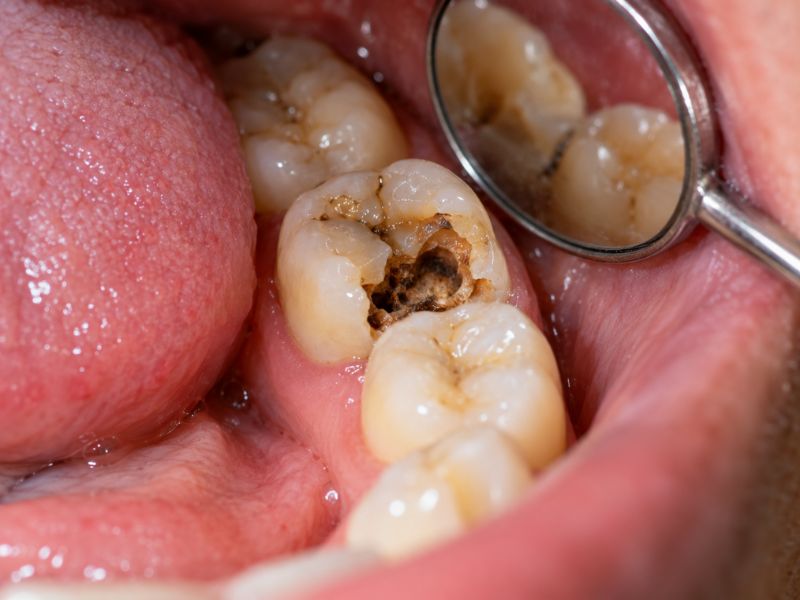
Dental fillings work well for treating small and moderate cavities, but a large cavity can leave the remaining tooth walls thin and fragile. Once the decay is removed, there may not be enough tooth structure left to hold a filling securely. In that case, a crown is used to cover and protect the part of the tooth remains, which lowers the chance of the tooth breaking later.
After A Root Canal
A root canal is performed to remove infected or inflamed tissue from inside the tooth, which often leaves the tooth hollow and more likely to become brittle over time. Having a dental crown after root canal treatment is especially common, particularly for molars and premolars, which handle most of the force when you chew. The crown seals the tooth and protects it from fracturing under stress.
Dental Implants & Bridges
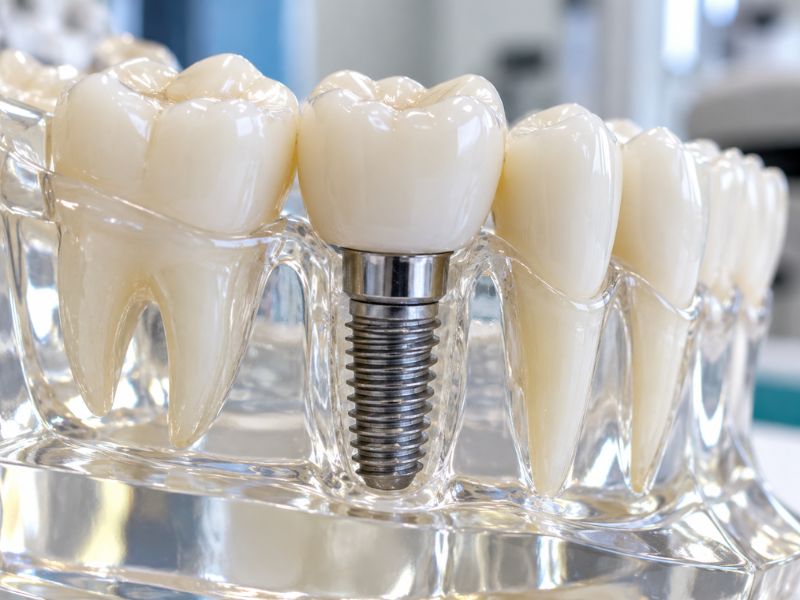
Crowns also replace teeth that are missing entirely. With a dental implant, a small post is placed in the jawbone to act as a new root. After the implant heals, which typically takes a few months, a crown is attached on top to serve as the visible tooth.
A dental bridge also uses crowns to replace one or more missing teeth. The teeth on either side of the gap are fitted with crowns, and those crowns act as anchors. A replacement tooth is attached between them, so the bridge is one connected piece that fills the space. Once it is bonded in place, a bridge stays in your mouth like your natural teeth and does not come out for cleaning.
Worn Down Teeth From Grinding
Grinding or clenching your teeth, often during sleep, can gradually wear down tooth enamel. Over time, teeth can become shorter or flatter and feel more sensitive. Crowns can be used to restore worn teeth to their original height and shape. To keep the new crowns from wearing down, your dentist may also suggest a night guard.
Warning Signs You May Need A Crown

Tooth damage tends to get worse with time. A small crack or cavity can keep growing until it reaches the nerve inside the tooth, and at that point, a crown alone may not be enough to fix it. Treatment can then involve a root canal or even removing the tooth. That is why it helps to catch the early warning signs that a tooth may need a crown.
Talk to your dentist soon if you notice any of the following signs you need a dental crown:
- Pain when you bite down or release your bite, which can point to a crack.
- Sensitivity to hot or cold that lingers after the food or drink is gone.
- A visible crack, chip, or broken piece of tooth.
- An old, large filling that feels rough, loose, or has started to break down.
- Teeth that look shorter, flatter, or more worn than they used to.
Some of these problems do not hurt at first, which is why regular exams and X-rays are important for catching damage before you feel it.
Dental Crowns vs. Fillings: Which Is Best?
The amount of damage to a tooth usually decides whether you need a filling or a crown.
A filling repairs a smaller area by replacing the decayed part of the tooth with a tooth-colored material. Your dentist removes the decay, cleans out the space, and fills it with a material that is shaped to match the surface of your tooth. Fillings are usually done in a single visit and keep most of your natural tooth in place. A filling works well when most of the tooth is still healthy and strong.
A crown covers the whole tooth. Dentists typically recommend one when decay or damage has taken out a large portion of the tooth, when a crack runs through it, or when an existing filling is so large that the remaining tooth is at risk of breaking. Placing a large filling in a tooth that needs a crown instead can leave thin walls that crack under pressure, which often leads to more extensive dental treatment later.
Types Of Dental Crowns
Crowns can be made from several materials, and the right choice of material depends on where the tooth is, how much force it takes, and how important a natural look is to you.
| Crown Type | Strength | Typical Lifespan | Best Placement |
|---|---|---|---|
| Porcelain (Ceramic) | Moderate – can chip under heavy biting | 5 to 15 years | Front teeth |
| Zirconia | Very high – resists chipping and cracking | 15 to 20+ years | Molars and teeth under heavy pressure |
| Porcelain-Fused-To-Metal (PFM) | High – though the porcelain layer can chip | 5 to 15 years | Front or back teeth |
| Gold & Metal | Highest – very unlikely to chip or crack | 15 to 20+ years | Back molars |
Porcelain dental crowns, also called ceramic dental crowns, offer the most natural look, which makes them a common choice for front teeth. Zirconia crowns pair strength with a tooth-colored look, which often suits molars. Gold dental crowns are the most durable, but their distinct metallic color makes them best for teeth that are out of sight.
The Dental Crown Process Step By Step
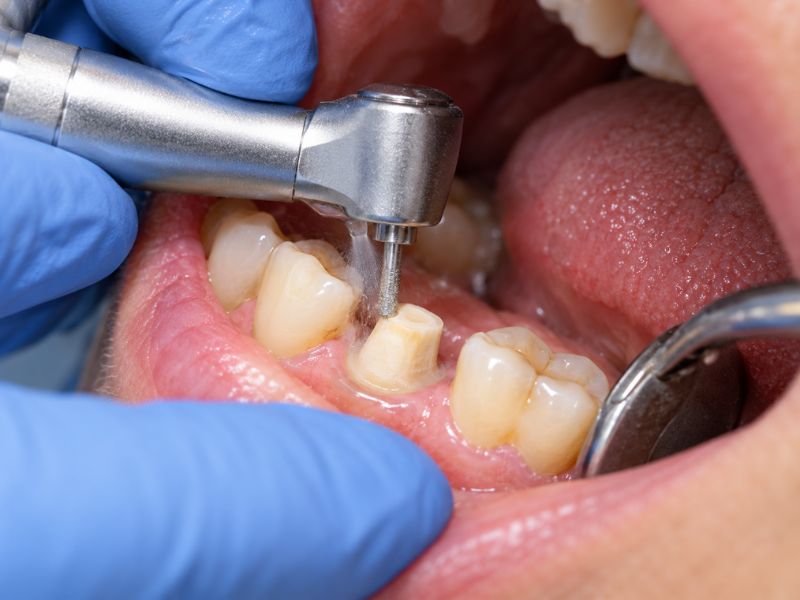
A traditional crown usually takes two appointments, spaced a couple of weeks apart, with a temporary crown protecting the tooth in between.
- Exam and X-raysYour dentist checks the tooth and takes X-rays to look at the roots and surrounding bone.
- Numbing the areaA local anesthetic numbs the tooth and nearby gums so you stay comfortable.
- Preparing the toothYour dentist removes any decay and shapes the outer layer of the tooth so the crown can fit over it.
- Taking a digital scan or impressionA scan or impression records the exact shape of the prepared tooth and your bite.
- Placing a temporary crownA temporary crown protects the tooth while a dental lab makes the permanent one, which usually takes a couple of weeks.
- Bonding the permanent crownAt your second visit, your dentist removes the temporary, checks the fit and color of the permanent crown, and bonds it in place.
- RecoveryDental crown recovery is usually quick, and mild gum soreness or sensitivity typically fades within a few days.
Ortega Boulevard Dental also offers same-day dental crowns, which are designed, made, and placed in a single appointment. That means you skip the temporary crown and the second visit. Dr. Hekkert has been placing same-day crowns since 2003 and uses CEREC technology to scan the tooth, design the crown, and mill it right in the office. For most back teeth, the whole appointment takes about two hours. Front teeth may still go to a lab so the color can be matched closely to the teeth around them.
How To Care For Your Dental Crowns
Most crowns are made from strong, durable materials, but they still need the same daily care as your natural teeth to hold up well over time.
Brush your teeth twice a day with a soft-bristled toothbrush and fluoride toothpaste, paying extra attention to the gumline around the crown. Floss once a day to clear plaque from the edges of your crown, where decay is most likely to start. Regular cleanings and dental exams also give your dentist a chance to check the crown’s fit and catch problems early.
Be mindful of what you eat, as some foods are harder on crowns than others. Chewing ice, hard candy, and unpopped popcorn kernels can chip porcelain or crack the tooth underneath. Very sticky foods like caramel and toffee can also pull at a crown, especially an older one.
If you grind or clench your teeth, a night guard is one of the best ways to protect your crowns. Grinding puts far more force on teeth than normal chewing, and over time, that pressure can chip a crown, loosen it, or wear down the teeth it bites against.
Even with good care, a crown may eventually need to be replaced. Crown replacement is usually a straightforward process. Regular exams give your dentist a chance to check your crowns for wear and recommend replacing one before it fails.
Dental Crowns In Jacksonville By Ortega Boulevard Dental
Knowing what a dental crown is and when one is needed makes it easier to protect a tooth before small damage turns into a bigger problem.
If you are looking for a dental crown near Ortega or anywhere in Jacksonville, Ortega Boulevard Dental can help. Dr. Hekkert has been placing same-day crowns since 2003. He can also place dental implants and their crowns in the same office, saving you from needing to see a separate specialist. Before recommending any treatment, he will explain what he sees and walk you through your dental options.
Call Ortega Boulevard Dental at (904) 384-4391 to schedule a visit.
What Are Dental Crowns and How Do They Work: FAQs
Before any work begins, your dentist numbs the tooth and gums with a local anesthetic, so most people feel pressure and vibration during the procedure instead of pain. Once the numbness wears off, mild gum soreness or some sensitivity to hot and cold is common for a few days. If you feel anxious about dental work, ask your dentist about comfort options such as nitrous oxide or oral sedation.
Yes. The crown itself cannot decay, but the natural tooth underneath it can. Cavities most often form along the edge of the crown near the gumline, where plaque tends to build up. Brushing, flossing, and regular cleanings help prevent decay around a crown.
No. Back teeth like molars and premolars usually need a crown after a root canal, since they take on heavy chewing forces and are more likely to fracture. Front teeth that still have most of their natural structure can often be restored with a filling instead. Your dentist will decide based on where the tooth is and how much of it remains.
Depending on the material, most dental crowns last 5 to 15 years or more, and gold crowns often last even longer. Grinding habits, the location of the tooth, and how well you care for your teeth all affect how long a crown lasts.
Recent Comments